HomeServicesSoil Contamination
Asbestos Soil Contamination in Bendigo
Grey fibro fragments turning up in a garden bed, a trench or a building pad are a common find on older blocks. Contaminated soil is assessed by a competent person, removed by a licensed removalist, and taken only to an EPA-licensed landfill or soil-treatment facility.
How asbestos ends up in soil
- Old demolition. Houses and sheds knocked down decades ago, with the fibro broken up and buried rather than removed.
- Fill and topsoil. Contaminated soil brought in as fill or topsoil, sometimes long before the current owner.
- Damaged structures. Weathered asbestos roofs and fences shedding fragments into the ground below.
- Dumping. Fibro dumped on vacant land or the back of a rural block.
- Old services. Asbestos cement pipes, conduits and pits left underground.
On a Bendigo block, finds are most often made during excavation for a knock-down rebuild, an extension, a pool or new services. That's because the ground is being opened up for the first time in decades.
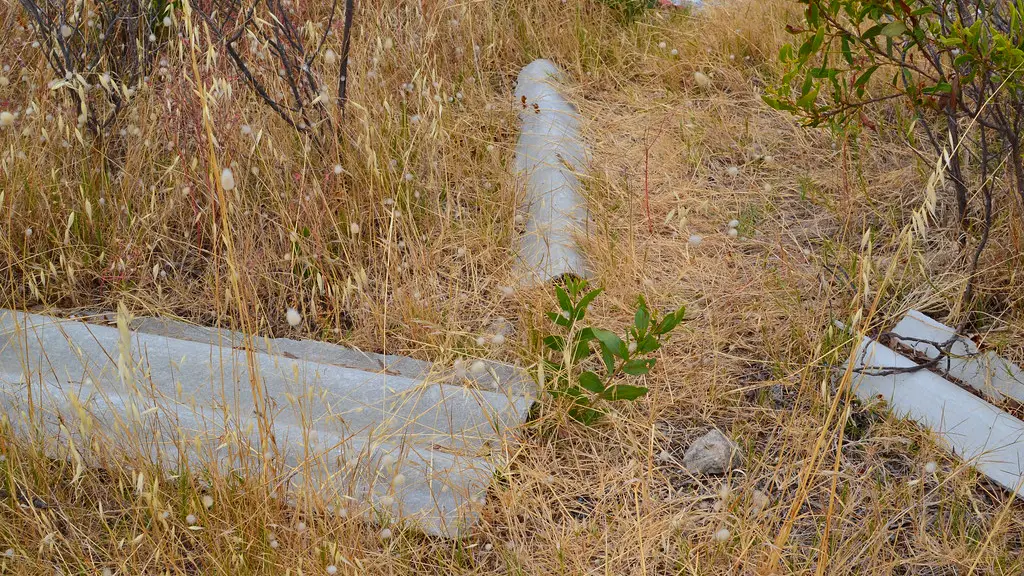
Stop when you find it
WorkSafe Victoria notes that unexpected asbestos finds during excavation are common. If you or your contractor uncover suspect fragments:
- Stop digging in that area and keep machinery off it.
- Keep the soil damp so dust doesn't lift.
- Cover and fence the area, and keep people out.
- Arrange an assessment before work resumes.
The Bendigo Asbestos Removal process for contaminated soil
Assessment
A competent person, usually an occupational hygienist, inspects the site and takes samples based on its history. Samples are analysed by a NATA-accredited laboratory. Where asbestos is suspected, it can be assumed present instead of sampled.
Classification
Friable asbestos in soil must be removed by a Class A licensed removalist. Non-friable fragments are handled by a Class A or B holder, apart from the small unlicensed limit (10 m², under an hour in seven days).
Removal or capping
Visible asbestos and contaminated soil are removed. Where removal isn't reasonably practicable, the soil may be capped and recorded instead.
Packaging
Soil is dampened, then double-lined, sealed and labelled for transport.
Disposal
Waste goes only to an EPA-licensed landfill or soil-treatment business, tracked through EPA Victoria's Waste Tracker.
Clearance
An independent person inspects the area and issues a clearance certificate before it is reused or reoccupied.
What to expect from contaminated soil
- A site assessment first, since the sampling plan depends on the site's history.
- A written scope and quote covering excavation, the licence class, disposal by weight or volume, and clearance.
- Mapping and records. Where contaminated soil is capped, its location is recorded and marked, and workplaces add it to the asbestos register.
- A clearance certificate before the area is used again or the soil is reused.
Found fibro fragments in the ground? Stop digging and arrange an assessment.
Soil contamination on Bendigo blocks
Soil finds around Bendigo usually come from older house and shed sites. Typical examples are post-war blocks in Kangaroo Flat, Golden Square and Eaglehawk being redeveloped, and rural properties around Maiden Gully, Axedale, Harcourt and Heathcote where old sheds were demolished on site or rubbish was buried. Contaminated soil cannot go through Eaglehawk Landfill's domestic asbestos drop-off.
Soil assessment and removal across Bendigo and district
Contaminated soil assessment and removal are available in Bendigo, Kangaroo Flat, Strathfieldsaye, Eaglehawk, Golden Square, Castlemaine and Heathcote.
Contaminated soil: common questions
I found a few pieces of fibro in the garden. Can I pick them up?
Small amounts of intact, non-friable fragments fall within the unlicensed limit, but wet them, wear proper protection and double-wrap them. If there is more than a handful, or the soil itself looks contaminated, have it assessed.
Does the whole block need testing?
Not always. The sampling plan depends on the site's history and where fragments were found. A competent person decides how many samples are needed.
Can contaminated soil stay on site?
Sometimes it can be capped where removal isn't reasonably practicable, but its location must be recorded and, for workplaces, added to the asbestos register.
What drives the cost of contaminated soil?
The volume of soil, depth of contamination, whether it is friable, access for machinery, and disposal charges at the licensed facility.